Why You Can Sleep 8 Hours and Still Wake Up Exhausted
A recent Diary of a CEO conversation brought attention to something sleep specialists see all the time:
You can spend enough hours in bed and still not get restorative sleep.
One major reason is obstructive sleep apnea.
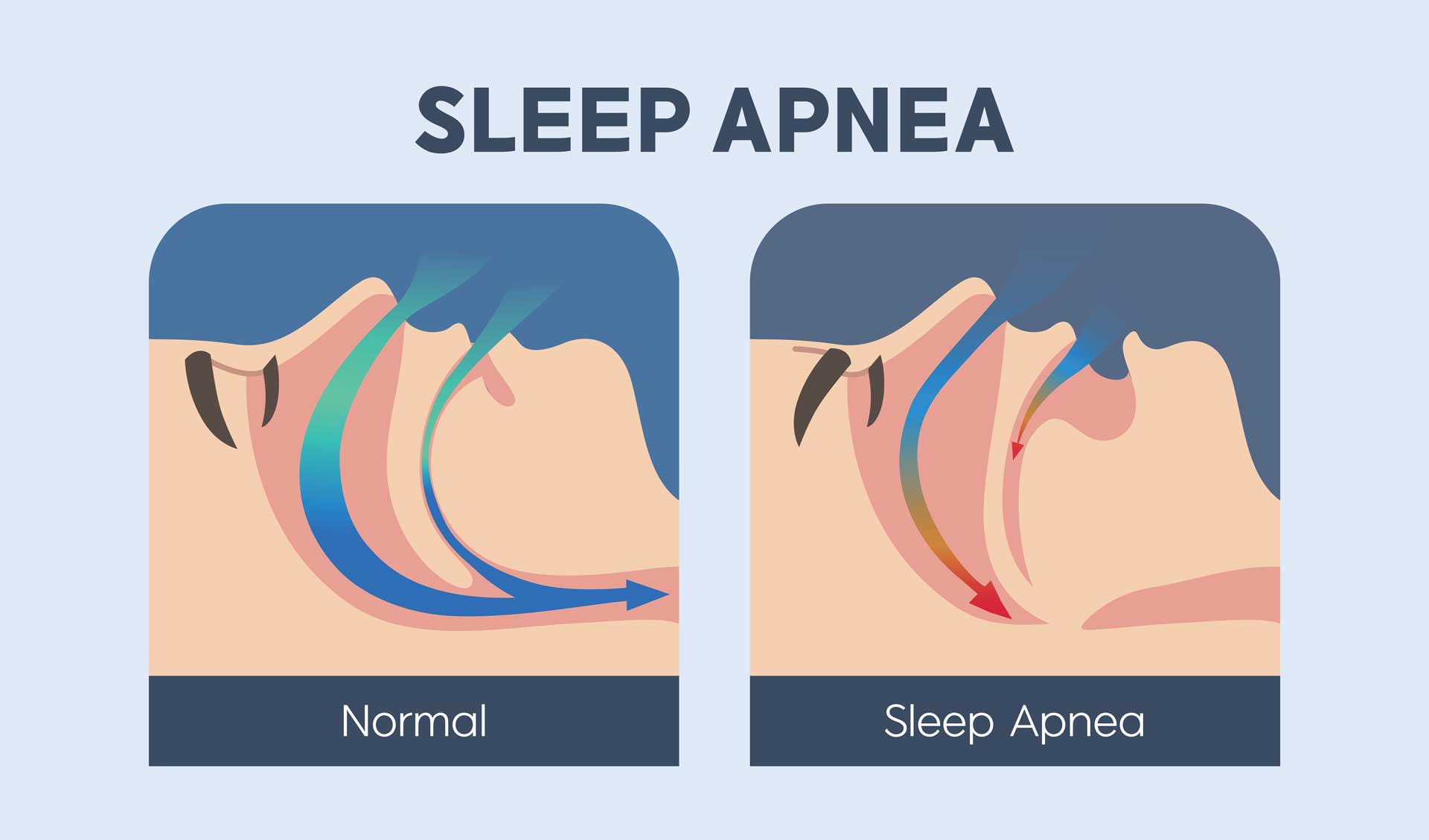
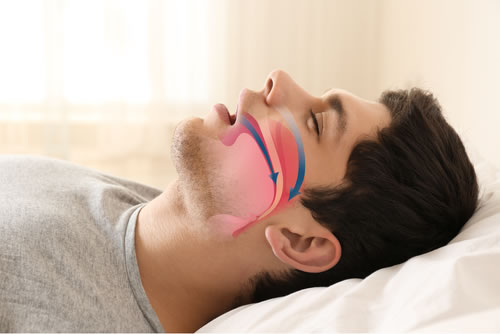
Sleep apnea happens when the airway repeatedly narrows or closes during sleep. Each time breathing becomes restricted, the body has to respond to restore airflow.
You may never consciously wake up.
But your sleep can still be interrupted again and again throughout the night.
That is why someone can say:
“I sleep seven or eight hours every night. Why am I still exhausted?”
The problem may not be how long you sleep.
The problem may be how well you breathe while you sleep.
Sleep Apnea Is Often Missed
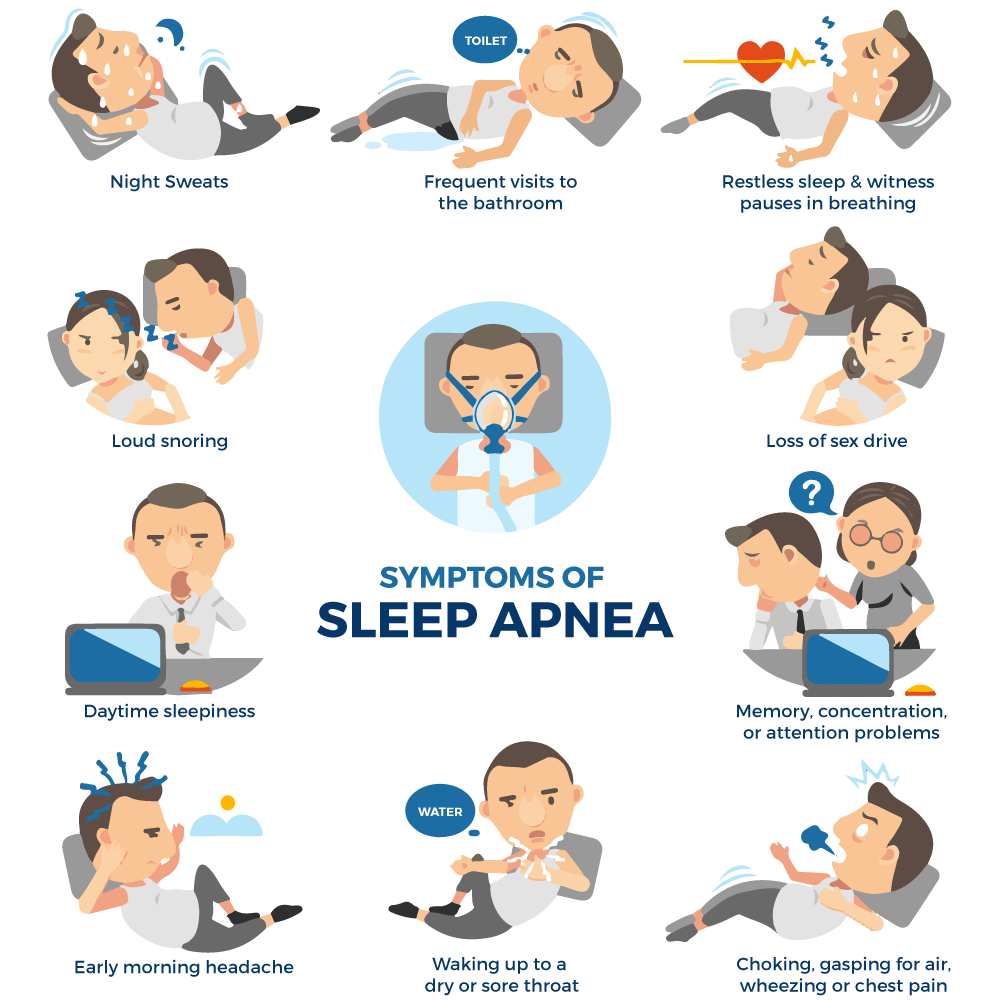
Many people associate sleep apnea with loud snoring, gasping, or someone visibly stopping breathing during the night.
Those are important signs — but sleep apnea does not always look that obvious.
Other possible symptoms include:
- Waking up tired despite getting enough sleep
- Morning headaches
- Brain fog or difficulty concentrating
- Daytime sleepiness or fatigue
- Dry mouth in the morning
- Frequent nighttime waking
- Restless sleep
- Snoring
- Clenching or grinding during sleep
- Feeling like sleep is simply not refreshing
Sometimes a bed partner notices breathing changes before the patient does.
What The Diary of a CEO Got Right
One of the most important ideas from the discussion was simple:
Don’t assume that being asleep means your body is resting normally.
The quality of your breathing matters.
When breathing repeatedly becomes compromised during sleep, the body may continually work to protect the airway.
That can prevent sleep from being as restorative as it should be.
This is why persistent fatigue should not automatically be blamed on stress, age, a busy schedule, or simply “not sleeping enough.”
Sometimes we need to look at what is happening physiologically while you are asleep.
Don’t Guess. Test.
Symptoms can raise suspicion for sleep apnea, but symptoms alone cannot diagnose it.
A sleep study can evaluate nighttime breathing and help determine whether obstructive sleep apnea is present and how significant it is.
If you consistently wake up tired despite spending enough time asleep, testing may provide important answers.
Sleep Apnea Treatment Is Not One-Size-Fits-All
CPAP is an effective and important treatment for obstructive sleep apnea.
But CPAP is not the only option.
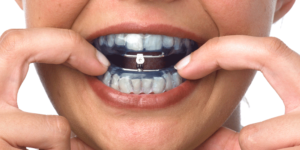
For appropriately selected patients, a custom oral appliance for sleep apnea can gently position the lower jaw forward during sleep.
Moving the jaw forward can help create more space behind the tongue and reduce airway collapse.
Oral appliance therapy may be particularly appropriate for certain patients with mild to moderate obstructive sleep apnea or for patients who cannot comfortably tolerate CPAP.
The Airway, Jaw and Muscles Are Connected
At our practice, we also look beyond the airway alone.
When breathing becomes restricted during sleep, the body may compensate in an effort to maintain airflow.
In some patients, this may involve changes in:
- Jaw position
- Muscle activity
- Clenching or grinding
- Tongue position
- Head and neck posture
That does not mean everyone who clenches or has jaw pain has sleep apnea.
But when sleep problems, airway findings, headaches, jaw symptoms and muscle tension occur together, they deserve to be evaluated together.
8 Hours of Sleep Does Not Always Mean 8 Hours of Rest
If you sleep through the night but still wake up exhausted, the question may not simply be:
“Am I sleeping enough?”
It may also be:
“Am I breathing well while I sleep?”
A proper sleep evaluation can help answer that question.
Concerned About Sleep Apnea?
If you have snoring, persistent fatigue, morning headaches, unrefreshing sleep, clenching, or a known diagnosis of obstructive sleep apnea, we can evaluate whether oral appliance therapy may be appropriate for you.
Schedule a Sleep Apnea Evaluation
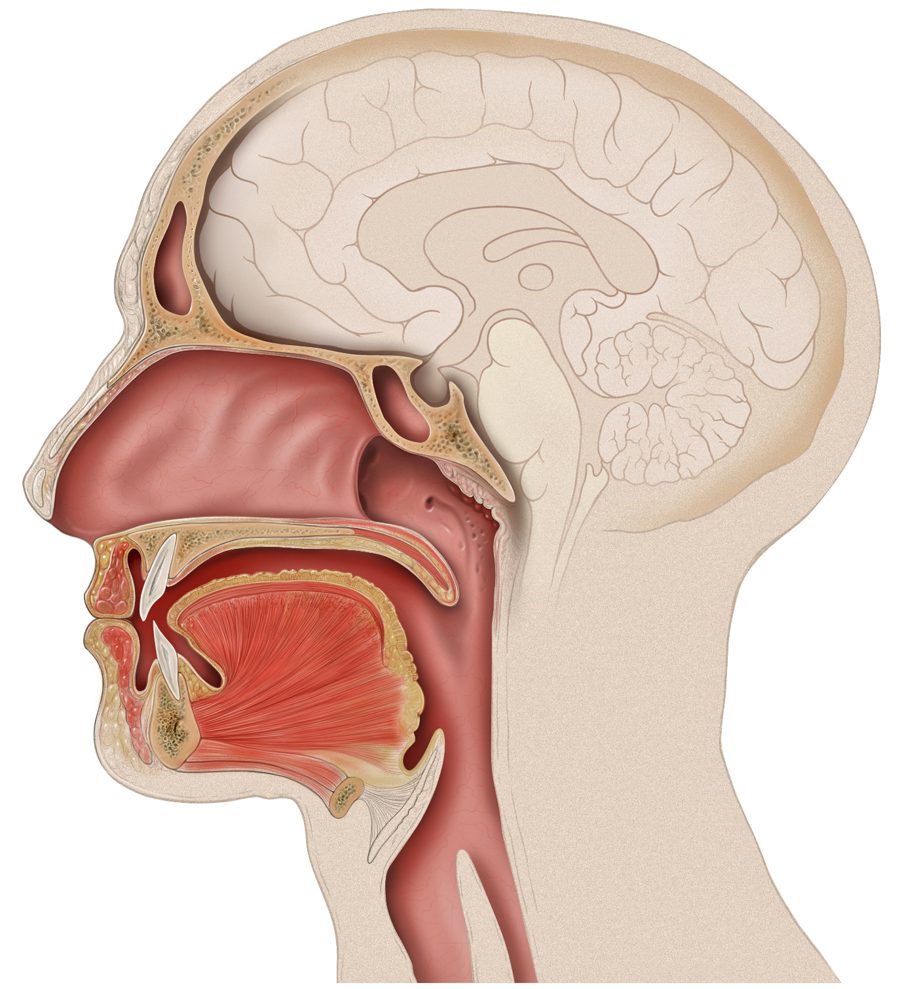
Header illustration: airway obstruction during sleep — Habib M’henni, Wikimedia Commons (public domain).