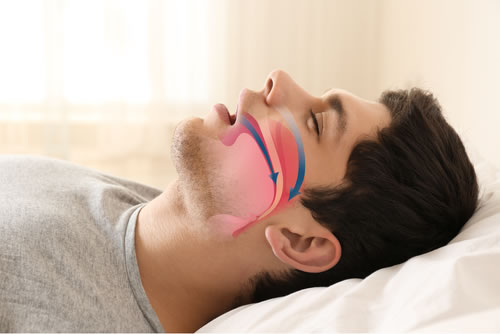
Loud snoring might be more than a nighttime nuisance. It can be a warning sign for obstructive sleep apnea (OSA) — a common sleep disorder that repeatedly interrupts your breathing while you sleep, quietly straining your heart and metabolism night after night.
The encouraging news? Sleep apnea is treatable. And getting evaluated may protect your blood pressure, heart rhythm, and overall heart health.
What Is Obstructive Sleep Apnea?
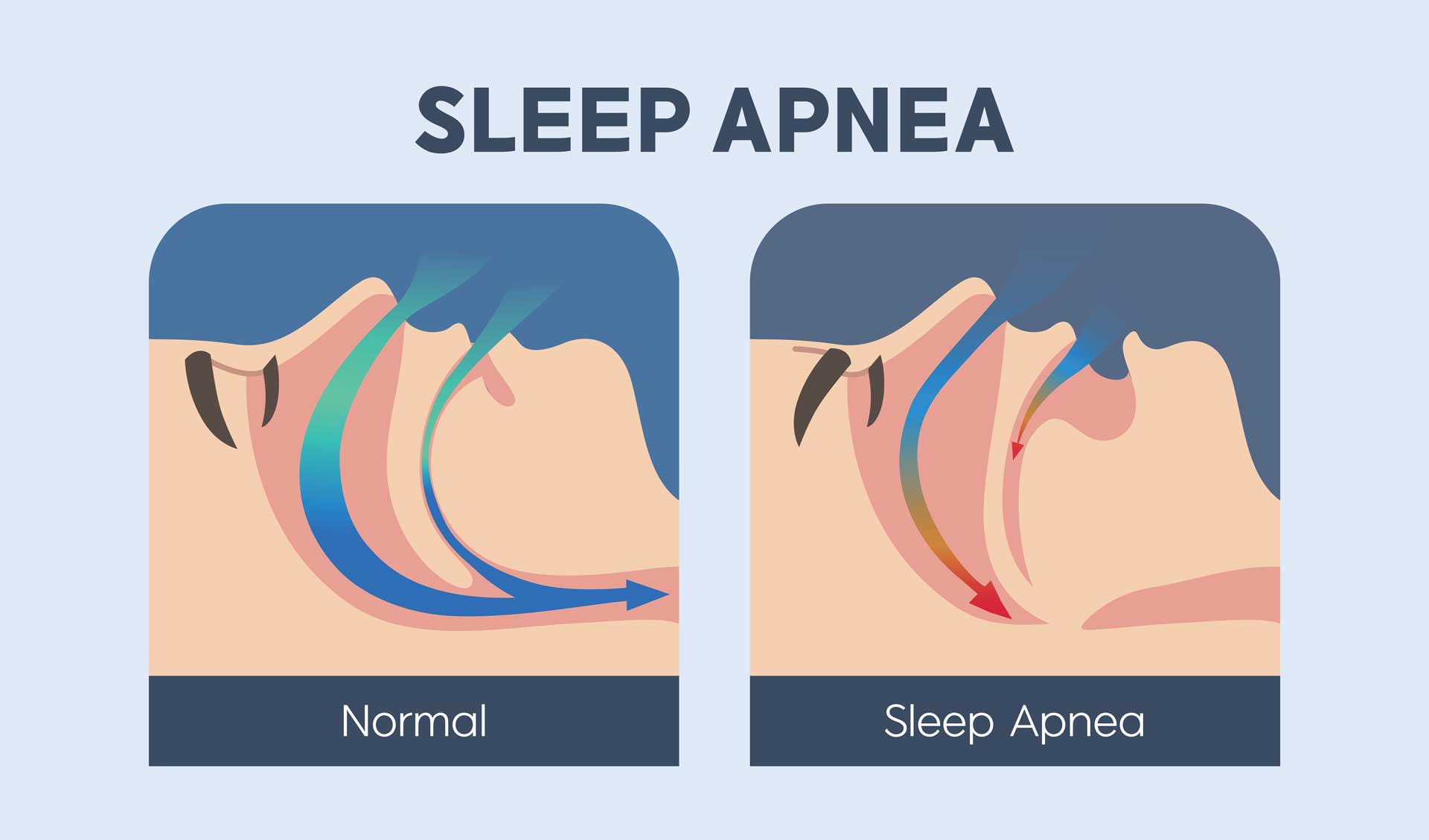
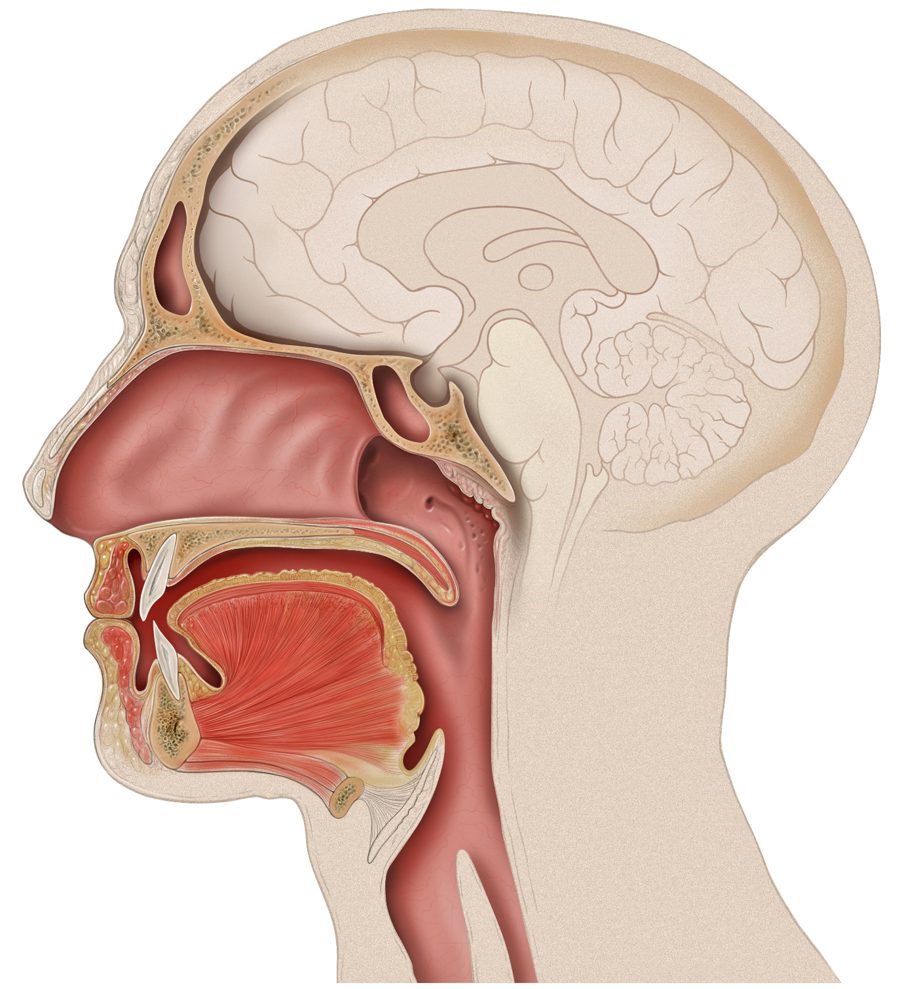
Obstructive sleep apnea happens when the muscles in your throat relax during sleep and narrow or block your airway. Your brain briefly wakes you just enough to reopen the airway — sometimes dozens of times an hour — usually without you ever remembering it.
Each pause can drop your oxygen levels, spike your blood pressure and heart rate, and flood your body with stress hormones. Repeated night after night, this pattern takes a toll.
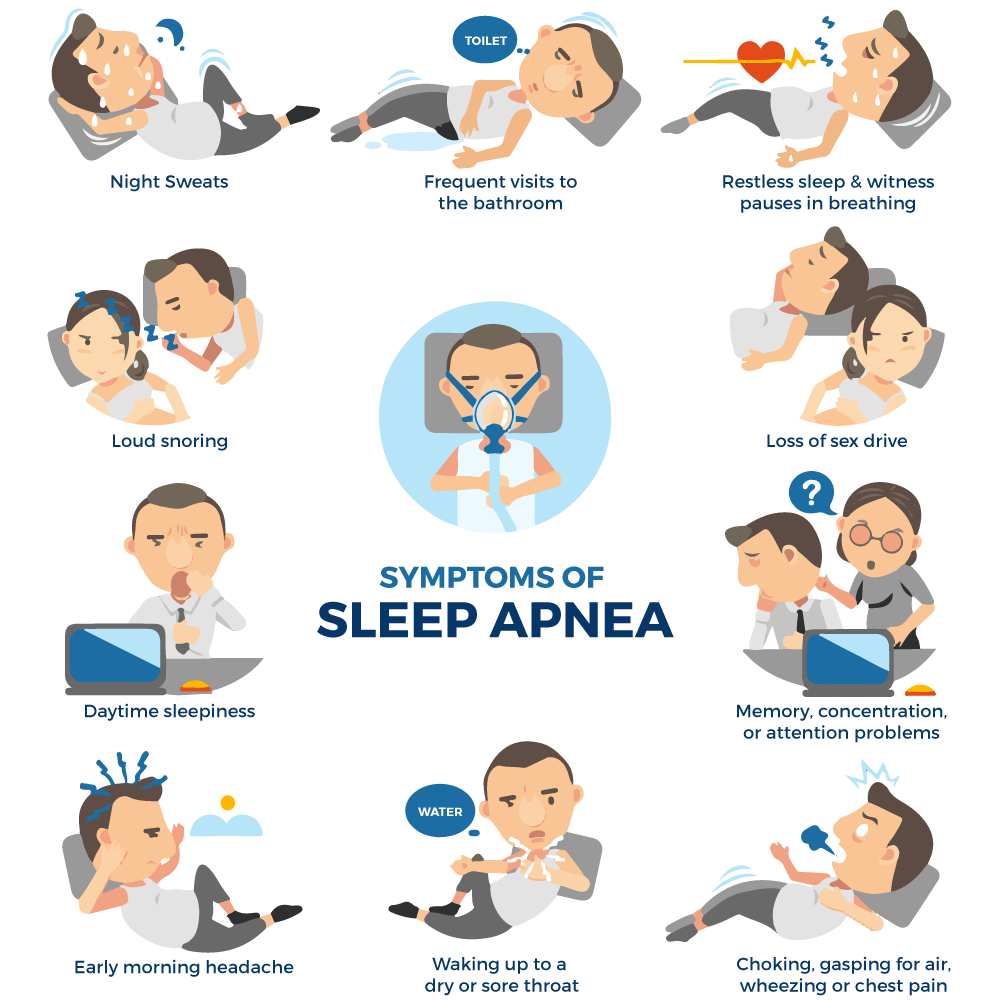
Common Signs of Sleep Apnea
- Loud, habitual snoring
- Breathing pauses that a partner notices
- Gasping, choking, or snorting during sleep
- Waking with a dry mouth or morning headache
- Feeling exhausted even after a full night in bed
- Trouble concentrating or staying awake during the day
- Waking frequently to urinate at night
- Irritability or mood changes
Not everyone with sleep apnea snores — and some people mainly notice daytime symptoms like fatigue and brain fog.
How Sleep Apnea Affects Your Heart and Metabolism
“Cardiometabolic health” is a term for how your heart and metabolism work together — including your blood pressure, blood sugar, cholesterol, and weight. Sleep apnea can disrupt all of them.
Sleep Apnea and High Blood Pressure
Sleep apnea is one of the most common causes of hard-to-treat high blood pressure. It is especially worth checking if your blood pressure is:
- Difficult to control despite several medications
- Higher in the morning or overnight
- Paired with loud snoring or daytime fatigue
Treating sleep apnea may help lower blood pressure for some people — but it does not replace your blood pressure medication, healthy eating, or exercise.
Sleep Apnea and Weight
Carrying extra weight can narrow the airway and raise the risk of sleep apnea. At the same time, poor sleep can increase fatigue and appetite, making a healthy weight harder to maintain — a frustrating cycle.
Losing weight can improve sleep apnea for some people, but never stop CPAP or another treatment without talking to your healthcare team first.
Sleep Apnea and Type 2 Diabetes
People with type 2 diabetes are more likely to have sleep apnea — especially alongside extra weight, high blood pressure, or loud snoring. The two conditions can worsen each other, but treating sleep apnea alone is not a cure for diabetes. Keep following your diabetes care plan.
Sleep Apnea and Atrial Fibrillation (AFib)
Atrial fibrillation is an irregular heart rhythm, and sleep apnea is common in people who have it. If you have recurring AFib — especially with high blood pressure, extra weight, or snoring — ask whether a sleep evaluation makes sense. Treating sleep apnea may lower the chance that AFib returns after treatment.
Who Should Get Checked for Sleep Apnea?
Talk with your healthcare professional if you have symptoms of sleep apnea, especially alongside:
- Blood pressure that is hard to control
- Atrial fibrillation or another heart rhythm problem
- Type 2 diabetes
- Excess weight
- Pulmonary hypertension
- Significant daytime sleepiness
- A partner who notices you stop breathing
Screening questionnaires like STOP-BANG can flag who may be at higher risk — but they don’t diagnose sleep apnea. A sleep study is needed for that.
How Is Sleep Apnea Diagnosed?
- Home sleep apnea test: Done in your own bed with equipment that records your breathing, oxygen levels, and heart rate. It’s a convenient option for many adults likely to have straightforward OSA.
- Overnight in-lab sleep study (polysomnography): Records more detailed information and may be recommended when symptoms are complex, another sleep disorder is suspected, or you have certain medical conditions.
Your healthcare professional can help you choose the right test.
How Is Sleep Apnea Treated?
Treatment is tailored to your symptoms, severity, and health history. Options include:
- CPAP (or other airway pressure therapy): The most studied treatment; keeps your airway open during sleep
- Weight management: May reduce apnea severity for some people
- Oral appliance therapy (OAT): A custom-fitted mouth device that holds the airway open — a comfortable, mask-free alternative to CPAP (more on this below)
- Positional therapy: Helps you avoid sleep positions that worsen apnea
- Treating nasal congestion or blockage
- Procedures or surgery: For selected patients
Many people feel more rested, alert, and focused once their sleep apnea is treated. Treatment may also improve blood pressure — though the benefits vary from person to person.
Oral Appliance Therapy: A Comfortable Alternative to CPAP
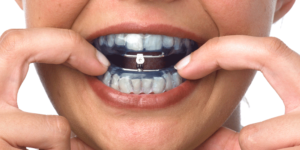
Not everyone can tolerate a CPAP mask — and that’s where oral appliance therapy (OAT) comes in. An oral appliance is a small, custom-made device, similar to a sports mouthguard, that you wear only while you sleep. It gently holds your lower jaw slightly forward, which keeps your airway open and prevents it from collapsing.
Who Is a Good Candidate for an Oral Appliance?
Oral appliance therapy may be a great fit if you:
- Have mild to moderate sleep apnea
- Have tried CPAP but find the mask uncomfortable, noisy, or hard to tolerate
- Prefer a quiet, travel-friendly, mask-free option
- Snore heavily and want a low-profile solution
How Does OAT Compare to CPAP?
Both work well, and each has strengths:
- Comfort and consistency: Because oral appliances are easy to wear, many people use them more consistently through the night than a CPAP mask — and a treatment only helps when you actually use it.
- Heart and blood pressure benefits: Research shows oral appliances can lower blood pressure about as much as CPAP. Recent studies even found a custom oral appliance was just as effective as CPAP at controlling 24-hour blood pressure in people with high blood pressure and sleep apnea.
- CPAP’s edge: CPAP tends to reduce the number of breathing interruptions somewhat more than an oral appliance, which is why it’s often preferred for severe sleep apnea.
What to Expect
A quality oral appliance is custom-made and fitted by a qualified dentist, then fine-tuned over time for the best results. A follow-up sleep test is usually recommended to confirm it’s working. Side effects are typically mild and may include extra saliva, jaw or tooth discomfort, or minor bite changes, which your dentist will monitor.
Should Everyone Be Screened?
No. Routine testing for adults without symptoms is not currently recommended. Instead, healthcare professionals weigh your symptoms, risk factors, and medical history. But if you snore loudly, wake up gasping, feel unusually sleepy during the day, or have blood pressure that’s hard to control, it’s worth bringing up.
Frequently Asked Questions
1. Can sleep apnea cause high blood pressure?
Sleep apnea is closely linked to high blood pressure and may drive it — especially when hypertension is hard to control. An evaluation can help clarify whether apnea is part of the picture.
2. Can sleep apnea cause a heart attack?
Sleep apnea is associated with higher cardiovascular risk, but many factors shape your individual risk. Treatment improves breathing during sleep and may improve blood pressure, but no treatment can guarantee it will prevent a heart attack.
3. Does everyone who snores have sleep apnea?
No. You can snore without having sleep apnea. But loud or frequent snoring — especially with breathing pauses, gasping, or daytime sleepiness — should be evaluated.
4. Can a home test diagnose sleep apnea?
Yes, for many appropriately selected adults. A home test isn’t right for everyone, and an unclear or negative result may need an in-lab study.
5. Is an oral appliance as good as CPAP?
For mild to moderate sleep apnea, a custom oral appliance can work as well as CPAP for many people — and because it’s easier to wear, some people benefit more simply because they use it consistently. CPAP still reduces breathing interruptions somewhat more and is often preferred for severe sleep apnea. The best choice depends on your severity, health, and preferences.
6. Should I stop CPAP if I lose weight?
Not on your own. Talk with your healthcare professional first — a repeat evaluation can show whether your sleep apnea has improved.
The Takeaway
Sleep apnea is much more than a nighttime breathing problem. It’s tied to high blood pressure, weight, type 2 diabetes, and atrial fibrillation — all cornerstones of heart health.
If you or someone who sleeps near you notices loud snoring, breathing pauses, gasping, or daytime exhaustion, ask whether a sleep evaluation is right for you.
Concerned about sleep apnea? NorCal Headache Relief Center in San Carlos, CA offers sleep evaluations and custom oral appliance therapy — a comfortable, mask-free alternative to CPAP. Contact us today to schedule your consultation.
This article is for general education and is not a substitute for personalized medical advice. If you have chest pain, severe shortness of breath, fainting, or other emergency symptoms, call emergency services.
Header photo: blood pressure check — rawpixel.com, Wikimedia Commons (CC0).