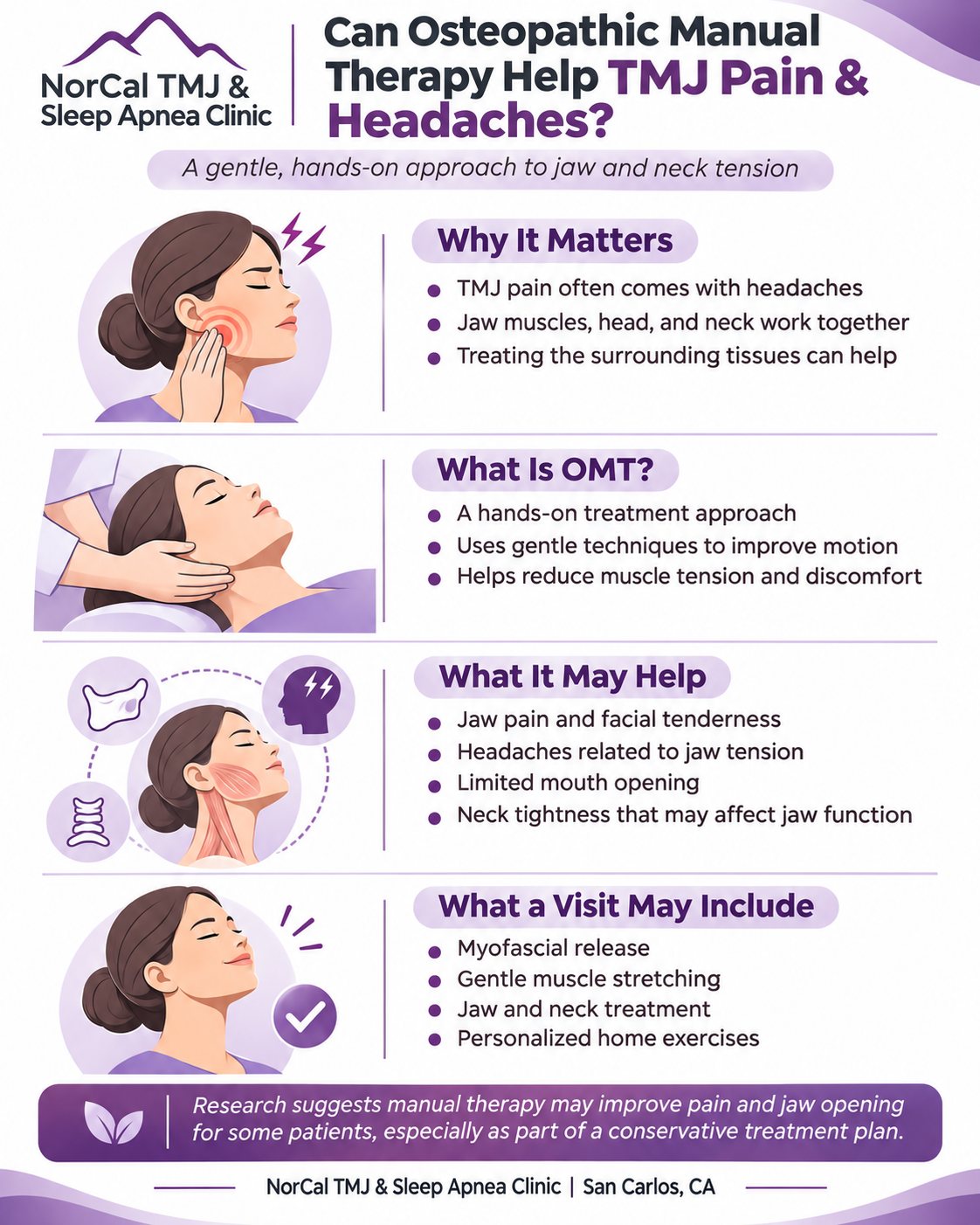
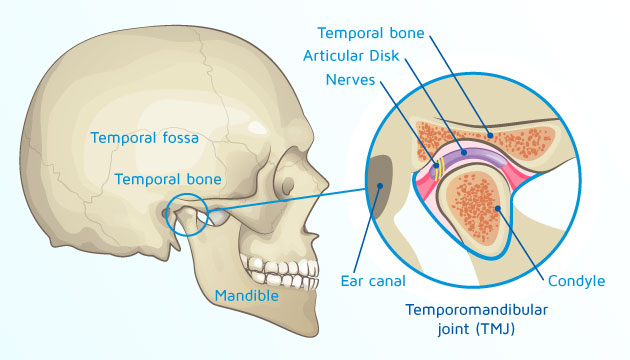
Your jaw does not function in isolation. The muscles of your jaw, head, and neck work together—and tension in one area may affect the others.
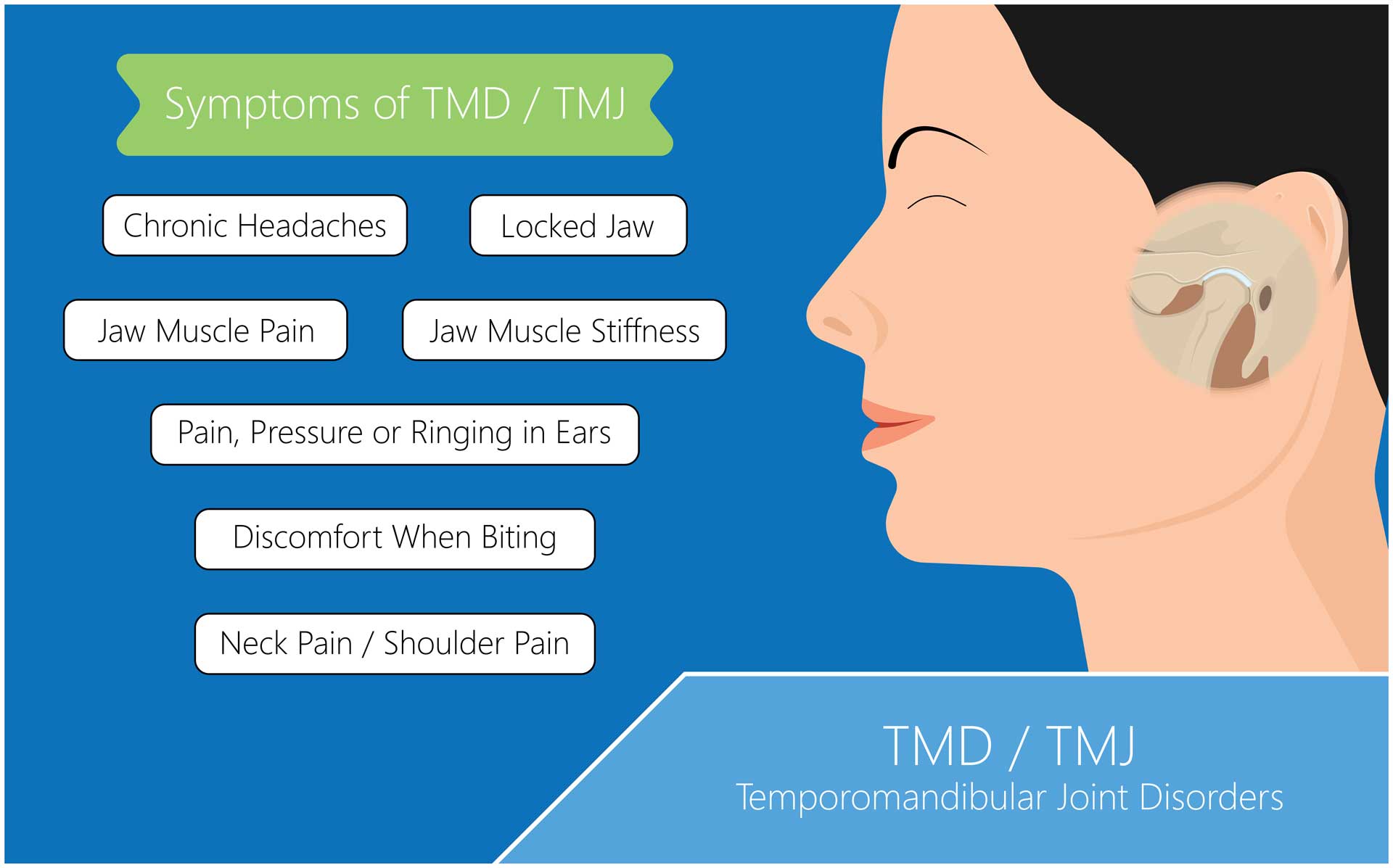
Many people with temporomandibular disorders (TMD) experience more than jaw pain. They may also report headaches, facial tenderness, neck stiffness, and difficulty opening their mouth.
This is why treating only the jaw joint may not address every contributing factor.
What Is Osteopathic Manual Therapy?
Osteopathic Manual Therapy (OMT) is a hands-on treatment approach that uses gentle techniques to assess and address restricted movement and muscle tension.
For patients with TMJ disorders, treatment may focus on:
- Tight jaw muscles involved in chewing and clenching.
- Restricted jaw movement.
- Muscle tension in the head and upper neck.
- Discomfort associated with surrounding soft tissues.
Techniques may include myofascial release, gentle muscle stretching, and joint mobilization.
What Does the Research Show?
Clinical studies suggest that manual therapy can reduce TMJ-related pain and improve mouth opening.
A 2018 pilot clinical trial involving 40 women with chronic TMD found improvements in pain and jaw function following osteopathic treatment.
Other systematic reviews have reported similar short-term benefits, although the overall certainty of the evidence remains limited.
Why Treat the Jaw and Neck Together?
Jaw movement involves coordinated activity between the chewing muscles, cervical muscles, and surrounding structures.
Addressing painful or restricted tissues in these regions may improve comfort and support better jaw function.
At NorCal TMJ & Sleep Apnea Clinic in San Carlos, we incorporate osteopathic manual therapy into individualized, conservative treatment plans when appropriate.
Rather than focusing only on where the pain is felt, we assess the surrounding structures that may be contributing to the problem.