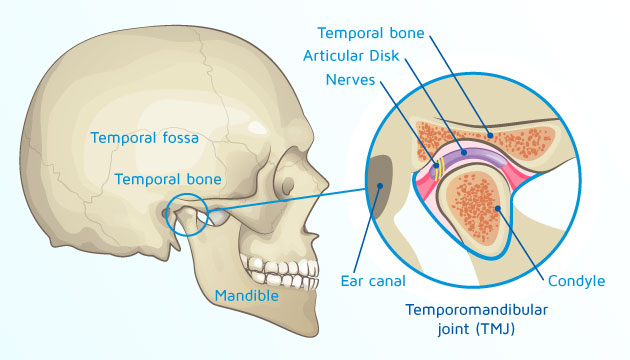
Jaw pain, headaches, ear discomfort, and difficulty chewing may all be signs of temporomandibular disorders (TMD). Fortunately, many patients can find relief without surgery.
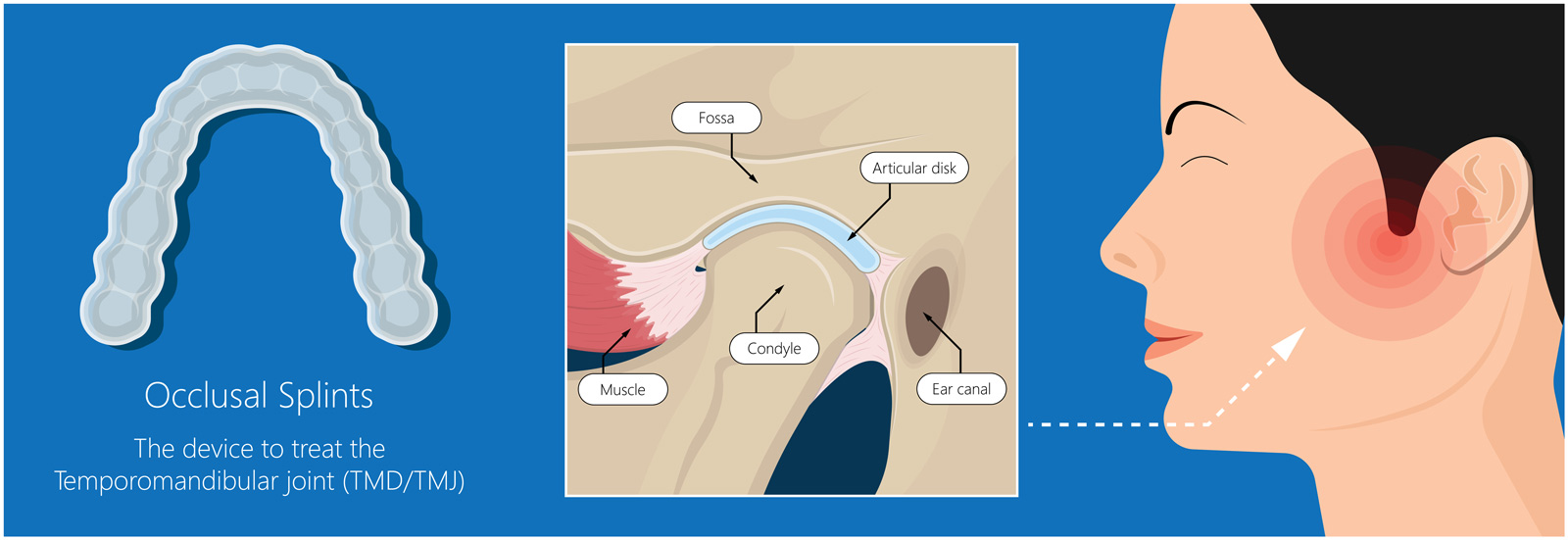
The temporomandibular joints (TMJs) connect your lower jaw to your skull. These joints work together with surrounding muscles every time you speak, chew, or yawn.
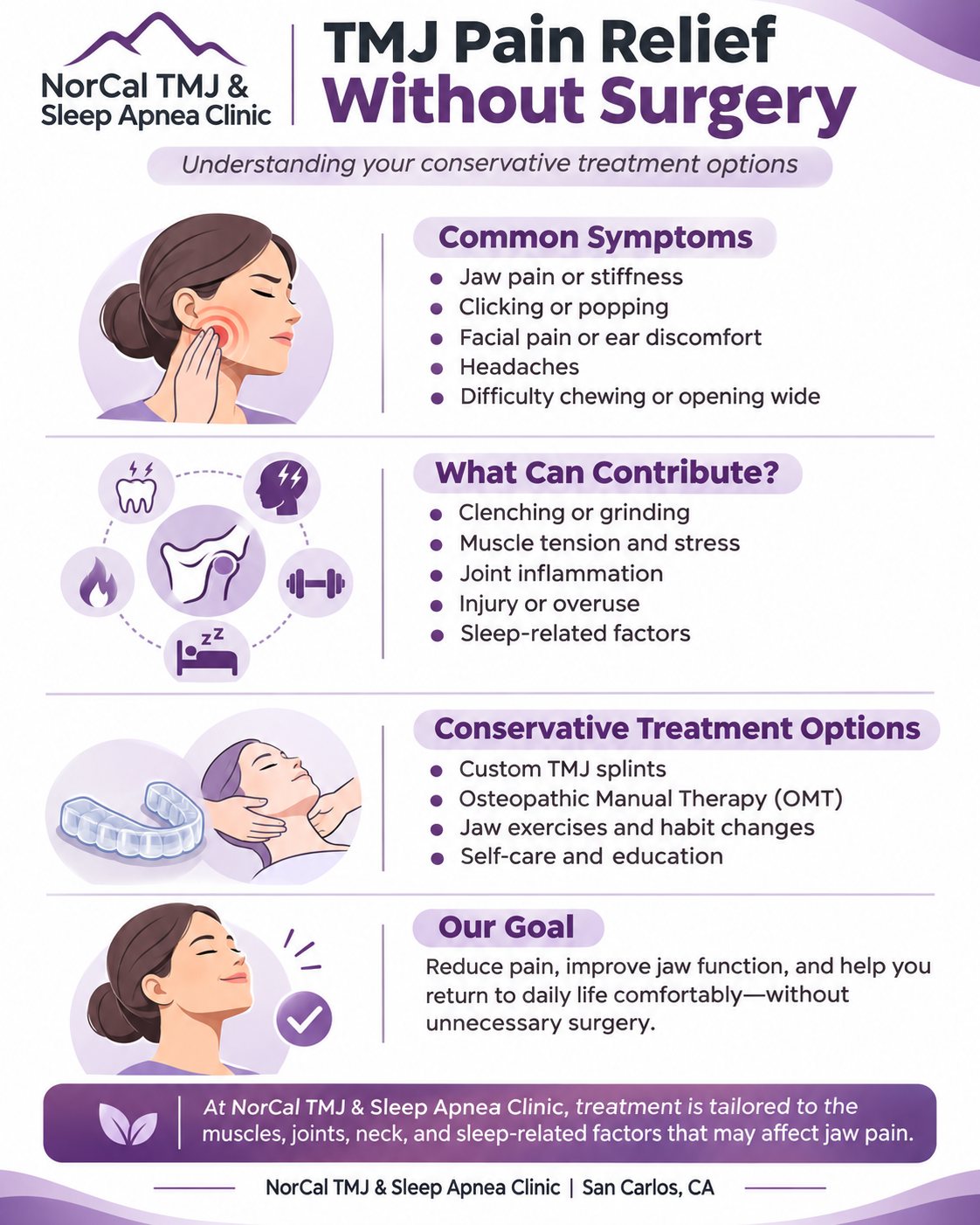
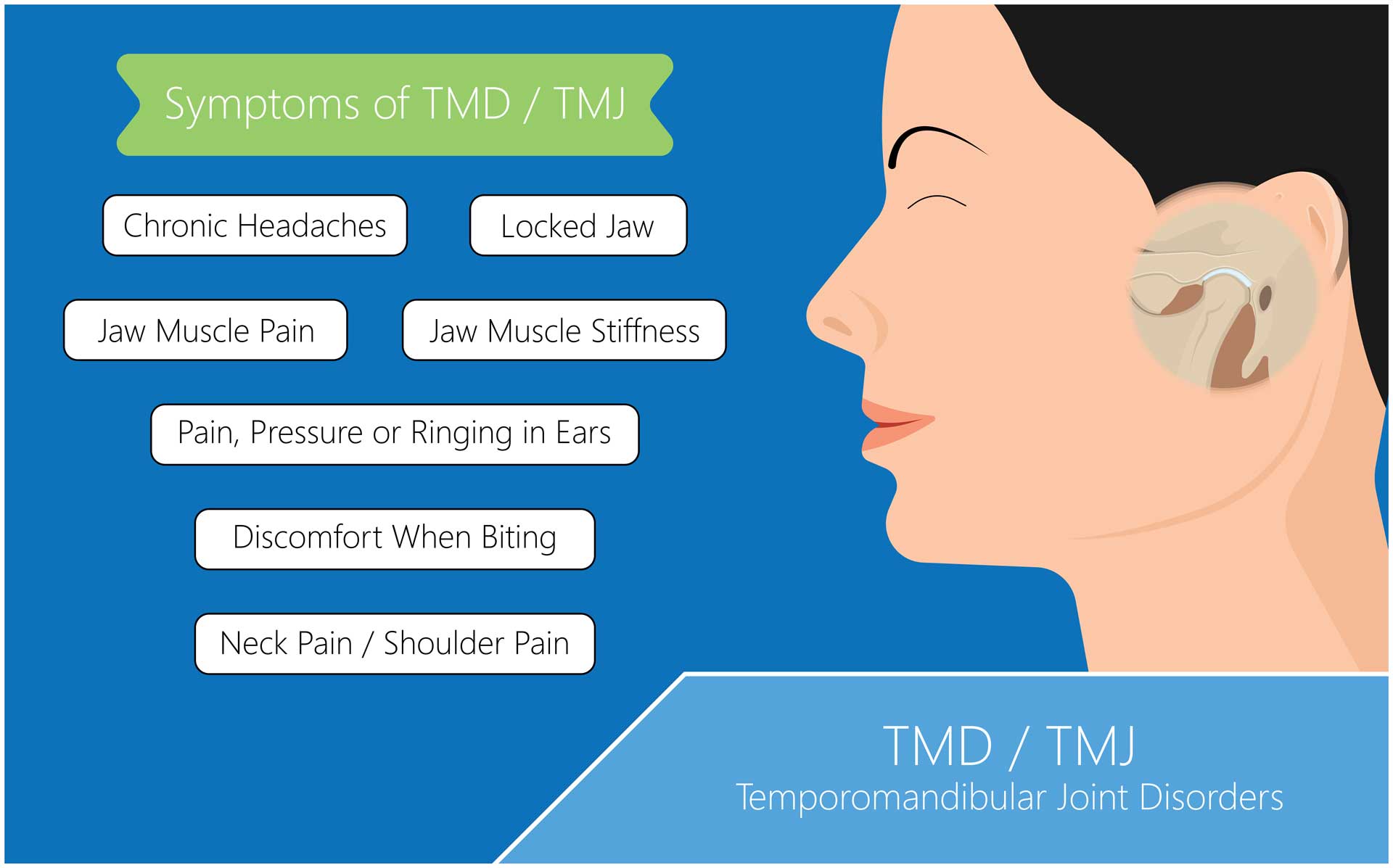
When the joints or muscles become painful or dysfunctional, symptoms may include jaw stiffness, clicking, facial pain, headaches, and difficulty opening your mouth.
What Causes TMJ Pain?
TMJ disorders rarely have a single cause. Teeth clenching, muscle tension, stress, injury, joint inflammation, and sleep disturbances can all contribute.
Research suggests that approximately 5–12% of the population experiences TMD, making it one of the most common causes of musculoskeletal pain in the face.
Can TMJ Pain Be Treated Without Surgery?
Yes. Conservative treatment is generally recommended as the first step.
Depending on the diagnosis, treatment may include:
- Custom TMJ splints to help manage muscle and joint loading.
- Osteopathic Manual Therapy (OMT) to address muscle tension, jaw mobility, and contributing neck discomfort.
- Jaw exercises and habit changes to reduce clenching and improve function.
Studies suggest that splint therapy and manual therapy can reduce pain and improve jaw movement in some patients, particularly over the short term.
A Whole-Body Approach to TMJ Care
At NorCal TMJ & Sleep Apnea Clinic in San Carlos, we evaluate more than just the teeth. Our approach considers the relationship between jaw function, surrounding muscles, the neck, and sleep-related factors.
Our goal is simple: improve jaw function, reduce pain, and help patients return to daily activities comfortably—without unnecessary surgery.