The Head & Neck Decompression Method™
Compression creates compensation.
Compression Creates Compensation
The head is made of many plates of bone joined together by sutures. Together, they protect the brain while helping absorb and distribute the forces of everyday life.
The jaw joint (TMJ) and airway are also designed to function with adequate space and balance.
When any part of this system becomes compressed, the body adapts to keep you functioning.
These adaptations are called compensations.
The place where you feel pain is not always where the story began.
Three Areas of Compression
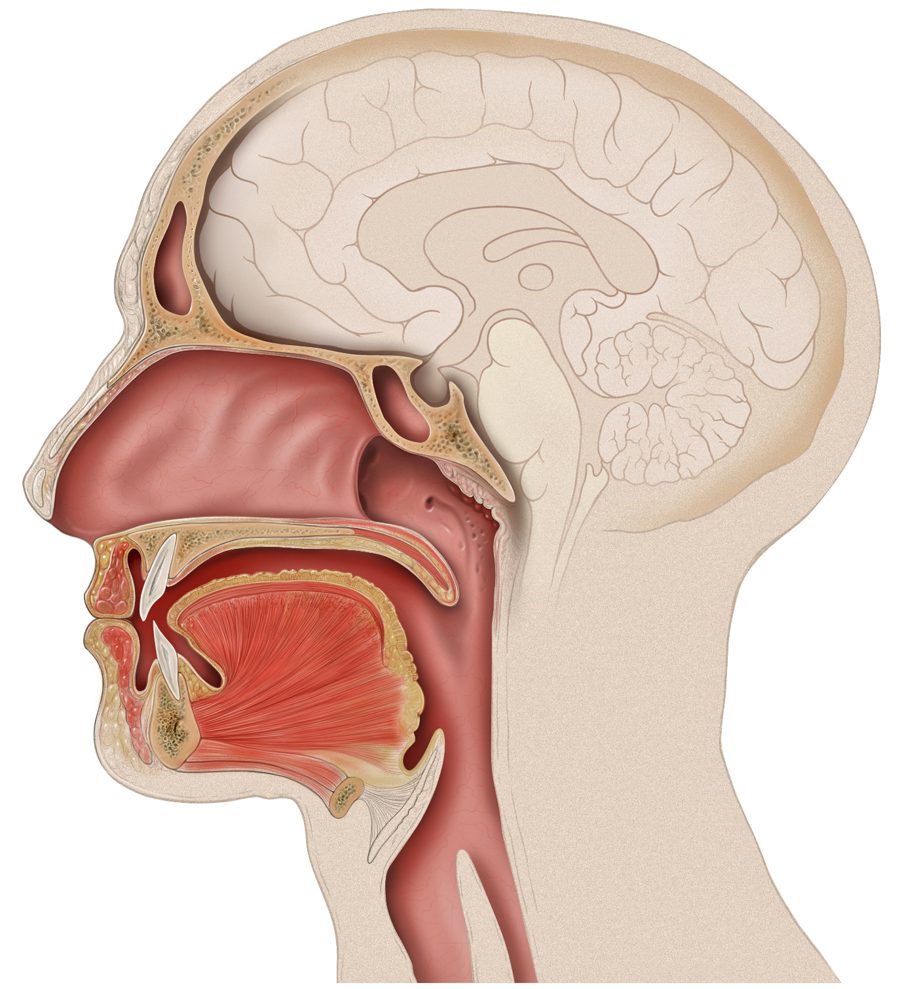
Rather than treating symptoms in isolation, we evaluate these three systems together to identify the source of dysfunction.
-
Cranial Compression
Restrictions within the tissues and sutures of the skull may create strain throughout the head and neck.
-
TMJ Compression
When the jaw joint loses space, the disc, muscles, and surrounding tissues must compensate to keep the jaw functioning.
-
Airway Compression
When the airway becomes narrowed, the body may compensate by moving the head forward, clenching the jaw, or recruiting additional muscles to help maintain airflow—especially during sleep.
Every Compensation Tells a Story
- Headaches
- Jaw pain
- Neck pain
- Ear fullness
- Clicking jaws
- Worn teeth
- Poor sleep
These symptoms are often the body's adaptations to compression somewhere else in the system.
Our Goal
Decompress. Reassess. Restore Function.
- Decompress the system.
- Reassess what symptoms remain once compensations have been reduced.
- Restore function with the least treatment necessary.