Understanding Pain Begins With Understanding Function.
A thoughtful approach to headaches, TMJ disorders, and sleep — built on one idea: compression creates compensation.
Compression Creates Compensation
The head is made of many plates of bone joined together by sutures. Together, they protect the brain while helping absorb and distribute the forces of everyday life.
The jaw joint (TMJ) and airway are also designed to function with adequate space and balance.
When any part of this system becomes compressed, the body adapts to keep you functioning.
These adaptations are called compensations.
The place where you feel pain is not always where the story began.
Three Areas of Compression
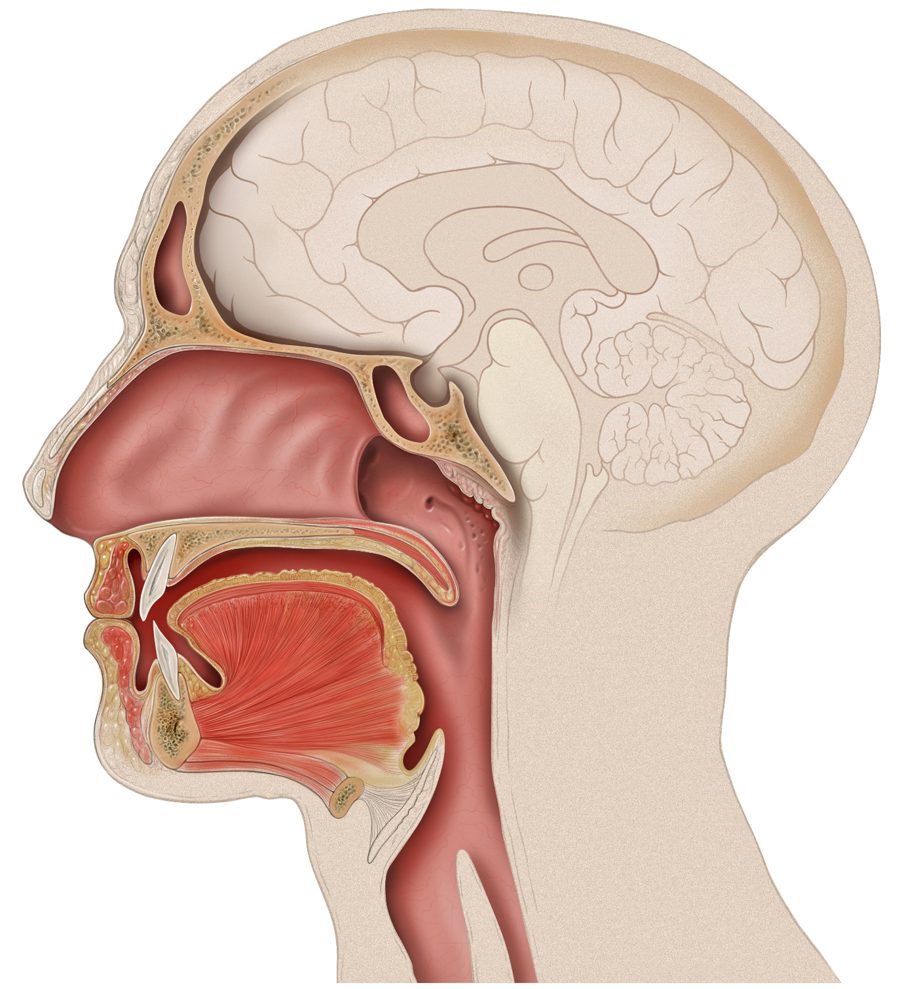
Our method focuses on three primary areas where compression tends to begin — and evaluates them together.
-
Cranial Compression
Restrictions within the tissues and sutures of the skull may create strain throughout the head and neck.
-
TMJ Compression
When the jaw joint loses space, the disc, muscles, and surrounding tissues must compensate to keep the jaw functioning.
-
Airway Compression
When the airway becomes narrowed, the body may compensate by moving the head forward, clenching the jaw, or recruiting additional muscles to help maintain airflow—especially during sleep.
Common Symptoms
Every compensation tells a story.
- Headaches
- Jaw pain
- Neck pain
- Ear fullness
- Clicking jaws
- Worn teeth
- Poor sleep
These symptoms are often the body's adaptations to compression somewhere else in the system.
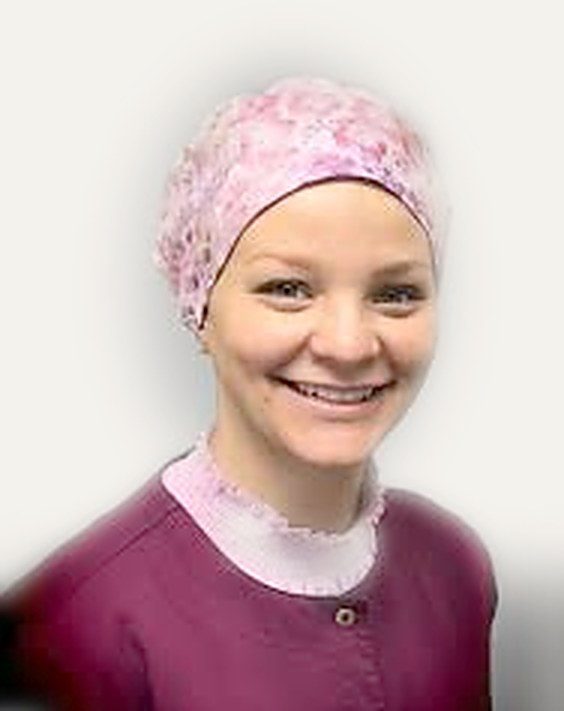
Meet Dr. Dina Hammouda
Dr. Dina Hammouda is a board-certified Oral Medicine specialist with advanced training from the University of Washington. Her clinical philosophy led to the development of the Head & Neck Decompression Method™ — a patient-centered approach designed to understand the body's compensations before recommending treatment.
She believes every patient deserves more than a diagnosis — they deserve an explanation, a clear understanding of why their symptoms exist, and a treatment plan designed around their individual story.
What Our Patients Say About Us
Five-star care, in their own words - real, verified reviews from patients we've helped find lasting relief from TMJ pain, headaches, and sleep apnea.
Dr. Dina Hammouda is extremely professional, knowledgeable, and caring! I came into the office initially suffering from substantial TMJ pain and Dr. Dina’s treatment plan has nearly got rid of my pain, as well as adjusted my bite (which was an insecurity of mine). I appreciate how she takes holistic approaches to address pain, such as incorporating massage therapy which I found to be very helpful. … I truly recommend this office for anyone experiencing TMJ issues!!Posted on Google · Feb 2026
If you have TMJ you have to come here. Amazing people and service. They fixed me after 14 months of trying to figure out what was causing my issues. They also helped with Sleep Apnea issues. The dental device has cured my apnea…I could not use the sleep machine. I feel so good it’s amazing.Posted on Google · Dec 2023
Dr. Dina really listened when developing a plan for how to deal with my TMJ pain and dislocated jaw joint discs.Posted on Google · Jun 2026
I came to Dr. Dina unable to chew anything on one side of my mouth, barely able to open my mouth more than an inch. After a treatment and a custom-made mouth splint, I immediately found relief.Posted on Google · Apr 2026
Every Patient Has a Story.
We'd be honored to hear yours.
Whether you've been living with headaches, jaw pain, poor sleep, facial pain, or symptoms that have never fully made sense, the first step is simply understanding what your body may be trying to tell you.
No referral is necessary for most patients.
Our office is in San Carlos, CA — minutes from San Mateo, Redwood City, Belmont, Menlo Park, and Palo Alto. Areas we serve