Tired of constant headaches and searching for answers? The source of your pain might not be what you think. Research reveals a powerful connection between chronic headaches and two common conditions: Temporomandibular Disorders (TMD) and Obstructive Sleep Apnea (OSA).
If you suffer from jaw pain, clicking, or popping, or if you snore and wake up tired, this guide is for you. We’ll break down the science in simple terms to help you understand the root cause of your headaches and explore effective, non-drug treatments that can help you find relief.
Could Your Jaw Be Causing Your Headaches? The TMD Connection
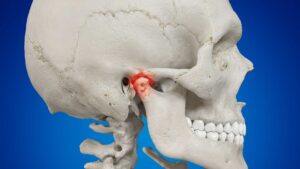
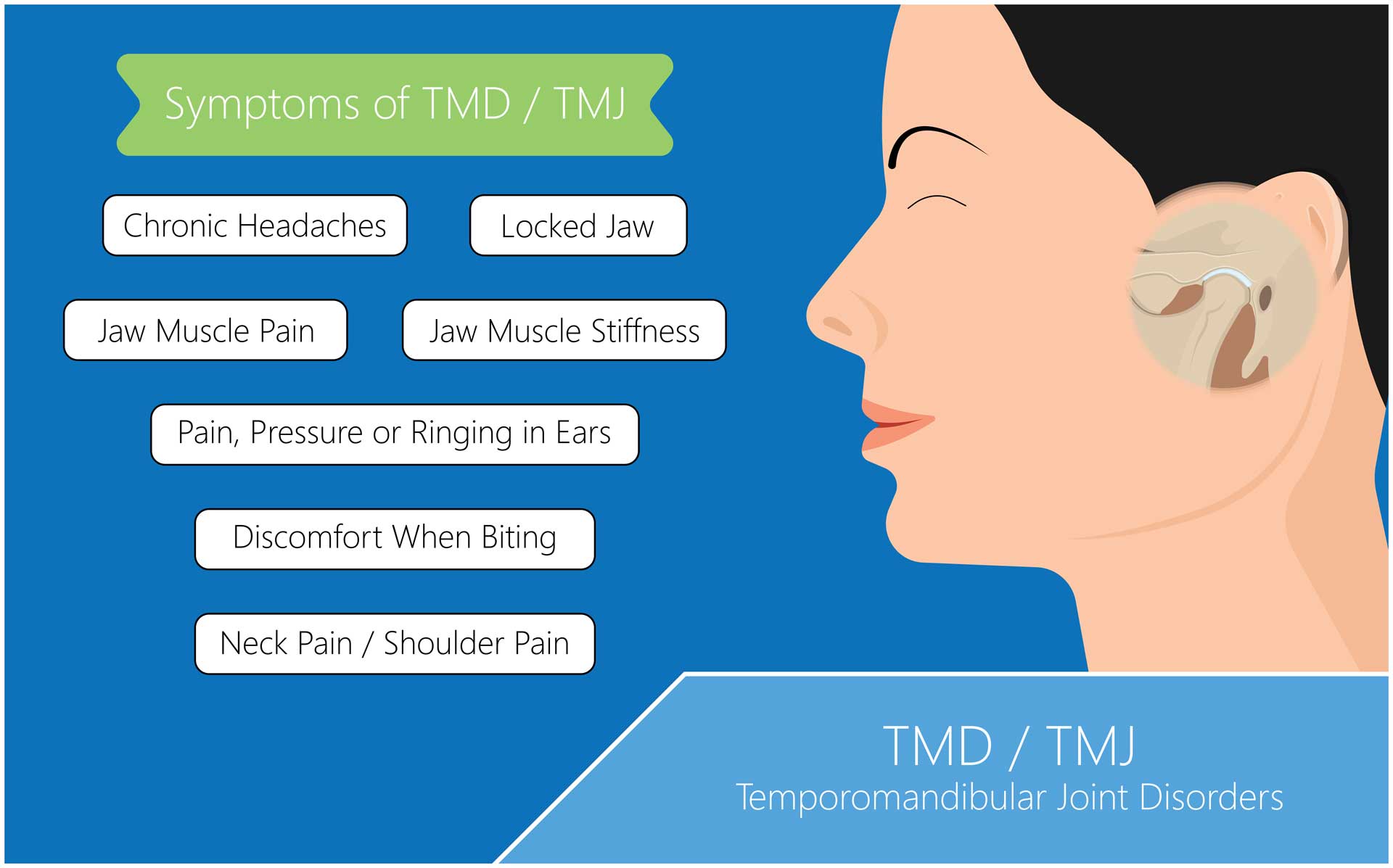
Temporomandibular Disorders (TMD) are problems with your jaw joint and the muscles that control it. The relationship between TMD and headaches is a two-way street: they can cause and worsen each other.
- A Strong Link: A major 2026 review of scientific studies found that if you have migraines, you are 6 times more likely to also have TMD. Likewise, if you have TMD, you are significantly more likely to suffer from migraines.
- A Recognized Condition: Experts have now formally recognized a specific type of headache called “Headache Attributed to TMD.” This is typically a headache felt in your temples that gets better or worse when you move your jaw (like chewing or talking) and can be triggered by pressing on your jaw muscles.
- Why It Happens: Your jaw and head share a complex network of nerves (the trigeminal system). When your jaw muscles are irritated, they can make your headache nerves overly sensitive, triggering a migraine or other head pain. It becomes a vicious cycle of pain.
Key Takeaway: If you have frequent headaches, especially in the temple area, and also experience jaw clicking, pain, or tightness, the two are likely connected.
Waking Up With Headaches? It Could Be Sleep Apnea
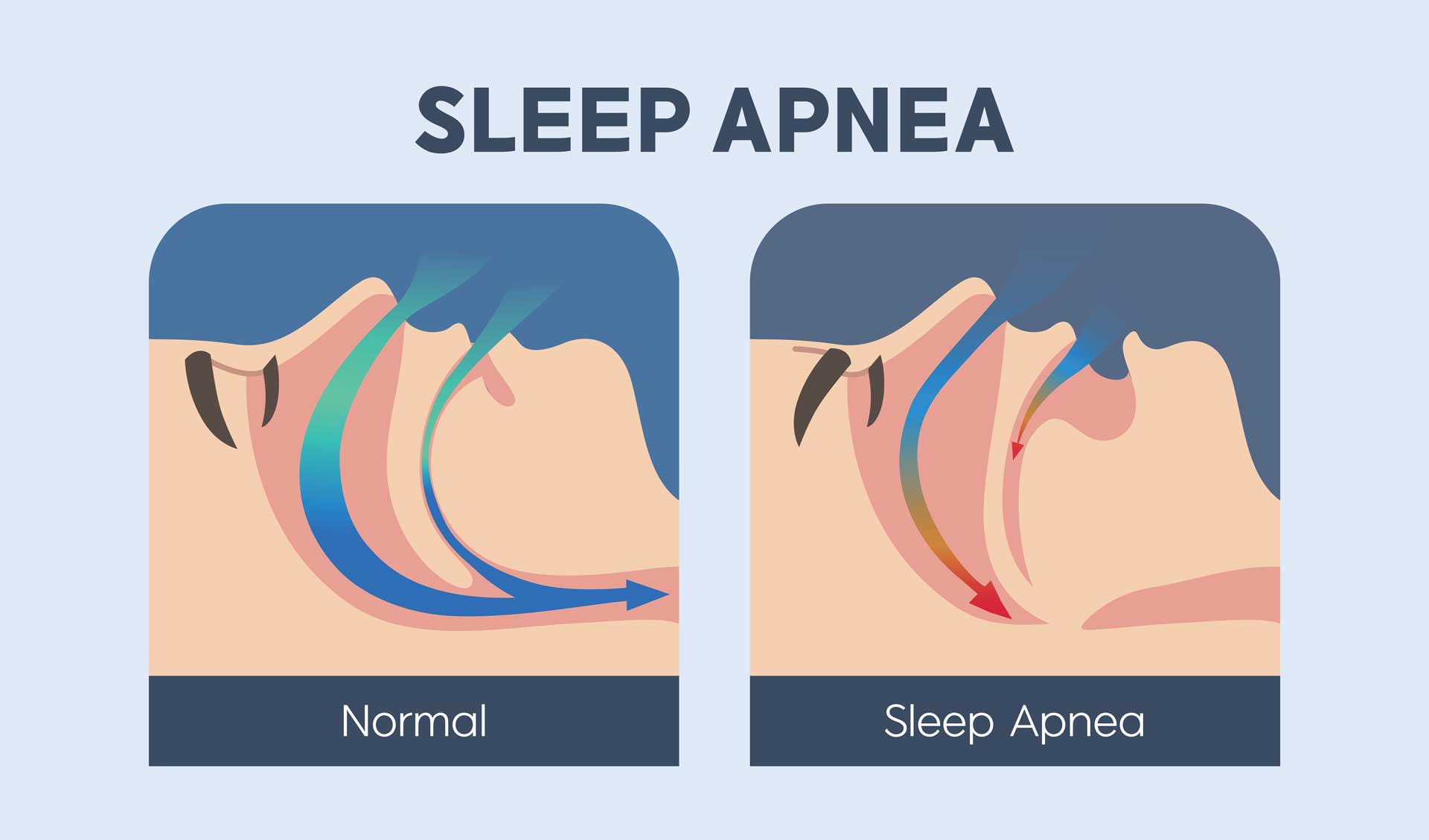
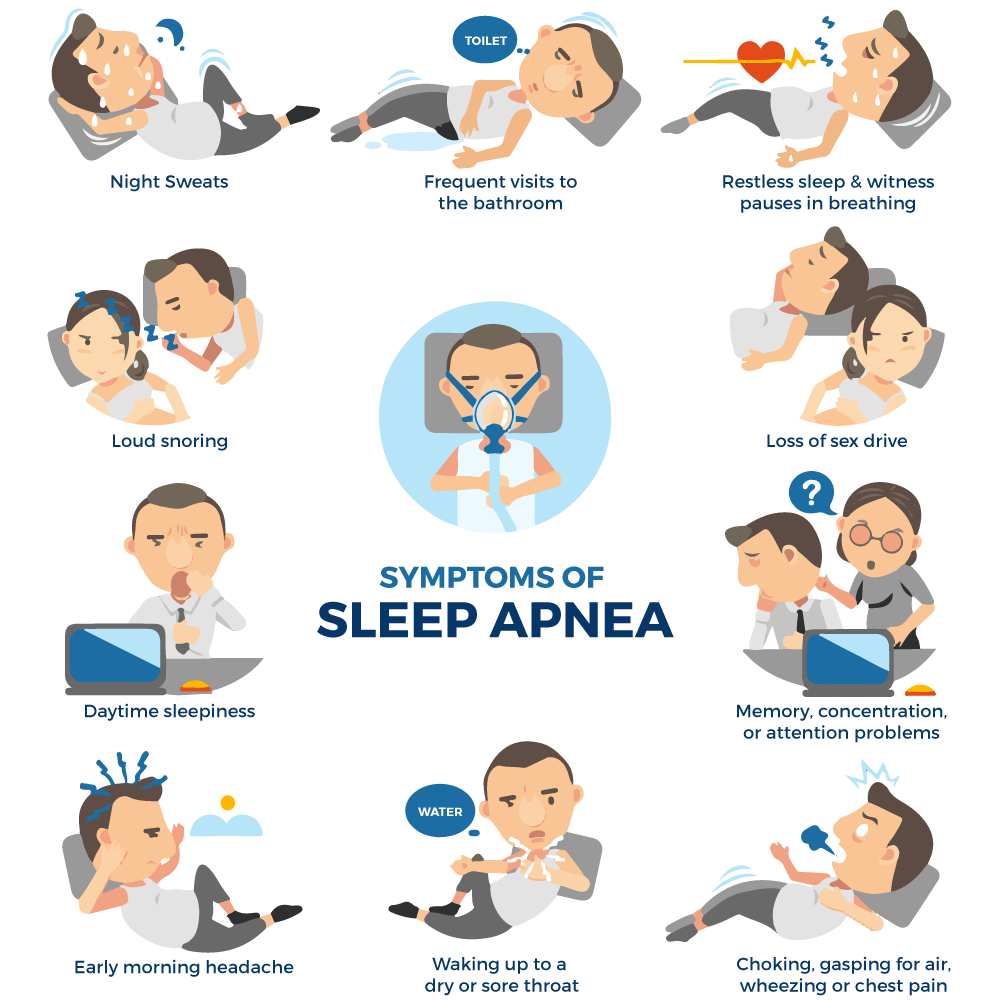
Obstructive Sleep Apnea (OSA) is a sleep disorder where your breathing repeatedly stops and starts throughout the night. One of its most common symptoms is a morning headache.
- The “Sleep Apnea Headache”: About one-third of people with OSA experience morning headaches. This is much higher than in the general population. These headaches typically feel like a pressure pain on both sides of the head and usually disappear a few hours after waking up.
- The Cause: These headaches are believed to be caused by a drop in oxygen and a build-up of carbon dioxide in your blood during the night due to the pauses in breathing.
- Not Just Morning Headaches: People with OSA are also more likely to suffer from tension-type headaches and migraines throughout the day.
Key Takeaway: If you regularly wake up with a headache and suffer from snoring, daytime sleepiness, or have been told you gasp for air in your sleep, OSA could be the culprit.
Finding Relief: Proven Therapies for TMD & OSA-Related Headaches
The good news is that by treating the underlying jaw or sleep issue, you can often find significant headache relief. Here’s what the evidence shows.
1. Splint Therapy (Custom Mouthguards)
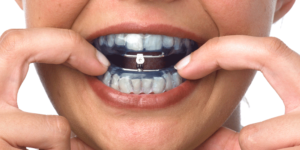
- For Jaw-Related Headaches (TMD): A 2025 analysis of multiple studies found that wearing a custom-fit stabilization splint (a type of mouthguard) effectively reduced headache frequency. While it can take a few months to see the full benefit, it offers a meaningful, long-term solution.
- For Sleep Apnea-Related Headaches (OSA): A special oral appliance called a Mandibular Advancement Device (MAD) gently positions the jaw forward to keep the airway open during sleep. One study showed that using a MAD resulted in:
- 62% of patients experiencing a significant reduction in headaches.
- The prevalence of morning headaches dropping from 85% to 54%.
2. Manual & Osteopathic Therapy (Hands-On Treatment)
Hands-on therapy targeting the muscles and joints of the head, neck, and spine can be highly effective for reducing headache pain.
- For Migraines: A controlled trial found that chronic migraine sufferers who received Osteopathic Manipulative Treatment (OMT) alongside their medication saw a dramatic reduction in migraine days—an average of 21 fewer days—compared to those who only received medication.
- For TMD-Related Headaches: Research shows that manual therapy on the neck, combined with specific exercises, can significantly reduce both headache impact and orofacial pain for people with TMD. Combining neck and jaw treatment provides even greater pain relief.
- Spinal Manipulation: A large review of studies confirmed that spinal manipulation can lead to a significant reduction in the number of migraine days per month.
An Integrated Approach Is the Key to Lasting Relief
The science is clear: because your jaw, sleep, and head pain are all connected through shared nerve pathways, the most effective treatment is one that looks at the whole picture.
An integrated, multidisciplinary approach that may include splint therapy, manual therapy, and behavioral and medical management is the best way to optimize outcomes. By treating the root cause—whether it’s TMD, OSA, or both—we can create a comprehensive plan that breaks the cycle of pain.
There is strong evidence that treating your jaw or sleep condition can directly reduce your headaches and improve your quality of life.
Are you tired of having headaches every day? Reclaim your health TODAY! Read our reviews to see how we address the root cause of these issues!
Real Patients. Real Results!
If you’re ready for a solution that addresses the real cause of your pain, contact our clinic. We have helped many patients find relief and are uniquely positioned to help you too. Get help today!
References
- Exploring the Bidirectional Association Between Migraine and Temporomandibular Disorders: A Systematic Review and Meta‐Analysis. Dias MF, Ferro AC, Spavieri JHP, Ferrisse TM, Gonçalves DAG. Journal of Oral Rehabilitation. 2026;53(3):794-806. doi:10.1111/joor.70110.
- Effectiveness of mobilisation of the upper cervical region and craniocervical flexor training on orofacial pain, mandibular function and headache in women with TMD. A randomised, controlled trial. Calixtre LB, Oliveira AB, de Sena Rosa LR, et al. Journal of Oral Rehabilitation. 2019;46(2):109-119. doi:10.1111/joor.12733.
- Brief Diagnostic Criteria for Temporomandibular Disorders (TMD): Enhancing Sensitivity in Diagnosing Headache Attributed to TMD (A Multi‐Centre Study). Laura N, Antti K, Justin D, et al. Journal of Oral Rehabilitation. 2026;53(6):1137-1143. doi:10.1111/joor.70166.
- Optimising Combined Treatment for Migraine and Temporomandibular Disorders (TMDs). Romero-Reyes M, Akerman S, Rapoport AM. Cephalalgia. 2025;45(9):3331024251368882. doi:10.1177/03331024251368882.
- Prevalence of Headaches and Their Relationship With Obstructive Sleep Apnea (OSA) — Systematic Review and Meta-Analysis. Błaszczyk B, Martynowicz H, Więckiewicz M, et al. Sleep Medicine Reviews. 2024;73:101889. doi:10.1016/j.smrv.2023.101889.
- Diagnosis and Management of Obstructive Sleep Apnea: A Review. Gottlieb DJ, Punjabi NM. JAMA. 2020;323(14):1389-1400. doi:10.1001/jama.2020.3514.
- Interactions of Obstructive Sleep Apnea With the Pathophysiology of Cardiovascular Disease, Part 1: JACC State-of-the-Art Review. Javaheri S, Javaheri S, Somers VK, et al. Journal of the American College of Cardiology. 2024;84(13):1208-1223. doi:10.1016/j.jacc.2024.02.059.
- Morning Headache in Sleep Apnoea: Clinical and Polysomnographic Evaluation and Response to Nasal Continuous Positive Airway Pressure. Goksan B, Gunduz A, Karadeniz D, et al. Cephalalgia. 2009;29(6):635-41. doi:10.1111/j.1468-2982.2008.01781.x.
- Efficacy of Conservative Interventions Targeting Temporomandibular Disorders for Adults With Headache Disorders: A Systematic Review and Meta‐Analysis. Demont A, Benaissa L, Pitance L. Journal of Oral Rehabilitation. 2025;52(6):937-948. doi:10.1111/joor.13994.
- Changes in Headache Characteristics With Oral Appliance Treatment for Obstructive Sleep Apnea. Park JW, Mehta S, Fastlicht S, Lowe AA, Almeida FR. Scientific Reports. 2021;11(1):2568. doi:10.1038/s41598-021-82041-6.
- Improvement of Morning Headache in Adults With Obstructive Sleep Apnea After Positive Airway Pressure Therapy. Seo MY, Lee MK, Han MS, Yoo J, Lee SH. Scientific Reports. 2023;13(1):14620. doi:10.1038/s41598-023-34896-0.
- Continuous Positive Airway Pressure Therapy Is Effective for Migraines in Sleep Apnea Syndrome. Kallweit U, Hidalgo H, Uhl V, Sándor PS. Neurology. 2011;76(13):1189-91. doi:10.1212/WNL.0b013e318212aad0.
- Improvement in Headaches With Continuous Positive Airway Pressure for Obstructive Sleep Apnea: A Retrospective Analysis. Johnson KG, Ziemba AM, Garb JL. Headache. 2013;53(2):333-43. doi:10.1111/j.1526-4610.2012.02251.x.
- Clinical Effectiveness of Osteopathic Treatment in Chronic Migraine: 3-Armed Randomized Controlled Trial. Cerritelli F, Ginevri L, Messi G, et al. Complementary Therapies in Medicine. 2015;23(2):149-56. doi:10.1016/j.ctim.2015.01.011.
- Osteopathy for Primary Headache Patients: A Systematic Review. Cerritelli F, Lacorte E, Ruffini N, Vanacore N. Journal of Pain Research. 2017;10:601-611. doi:10.2147/JPR.S130501.
- The Impact of Spinal Manipulation on Migraine Pain and Disability: A Systematic Review and Meta-Analysis. Rist PM, Hernandez A, Bernstein C, et al. Headache. 2019;59(4):532-542. doi:10.1111/head.13501.
- Effect of Manual Therapy and Therapeutic Exercise Applied to the Cervical Region on Pain and Pressure Pain Sensitivity in Patients With Temporomandibular Disorders: A Systematic Review and Meta-Analysis. La Touche R, Martínez García S, Serrano García B, et al. Pain Medicine. 2020;21(10):2373-2384. doi:10.1093/pm/pnaa021.
- Efficacy and Safety of Osteopathic Manipulative Treatment: An Overview of Systematic Reviews. Bagagiolo D, Rosa D, Borrelli F. BMJ Open. 2022;12(4):e053468. doi:10.1136/bmjopen-2021-053468. Header illustration: Patrick J. Lynch & C. Carl Jaffe, Yale University — CC BY 2.5.