Northern California's #1 TMJ and Sleep Apnea Dentist
With expertise and experience as TMJ and Sleep Apnea dentists, we take great pride in serving the Northern California region and delivering exceptional care to our valued patients.
Northern California's #1 TMJ and Sleep Apnea Dentist
With expertise and experience as TMJ and Sleep Apnea dentists, we take great pride in serving the Northern California region and delivering exceptional care to our valued patients.
New Patient
Refer A Patient
Relief Techniques Since 1975
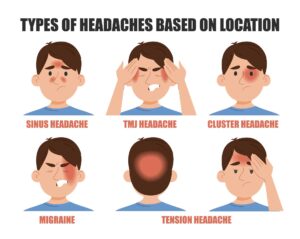
Dr. Dina Hammouda, DDS, MSD is board-certified in oral medicine by the American Board of Oral Medicine and has been in practice since 2018, adopts a holistic approach that encompasses caring for each patient as a whole. This includes utilizing modalities such as physical therapy, splint therapy, and muscle trigger point injections for TMJ or headache relief. Dr. Hammouda also specializes in treating patients with sleep apnea using mandibular advancement devices. Dr. Hammouda delivers comprehensive care to each patient, striving to provide the highest quality of care possible.
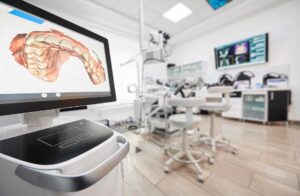
Geographically, Dr. Hammouda covers a broad area from San Francisco down to the Monterey region. Dr. Hammouda received dual degrees with a master’s and fellowship in oral medicine from the world-renowned University of Washington. Utilizing the most advanced and sophisticated 3D scanners, Dr. Hammouda ensures personalized care for each and every patient.
As part of NorCal TMJ & Sleep Apnea Clinic, Dr. Mark Abramson, a board-certified expert in orofacial pain and dental sleep medicine, embarked to his journey in 1975 continues to provide care to the patients. His vision is to provide patients with relief through a holistic approach to health and function. Back then, this approach was groundbreaking, but it has since gained recognition and become an integral part of esteemed institutions like Harvard, Columbia, and Stanford University. Dr. Abramson, the inventor of the OASYS sleep apnea device and founder of the mindfulness clinic at Stanford University School of Medicine continues to provide exceptional care to our patients in our clinic. He continues to lecture extensively on TMJ and sleep apnea.

Tmj Evaluation & Treatment
Sleep Apnea Evaluation & Treatment
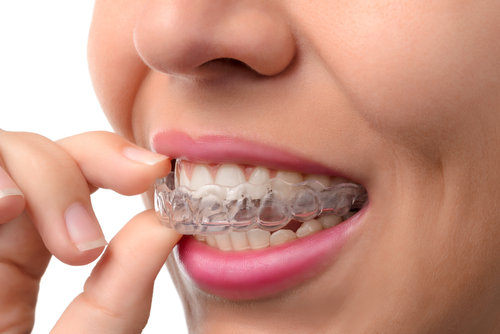
Invisalign Evaluation & Treatment
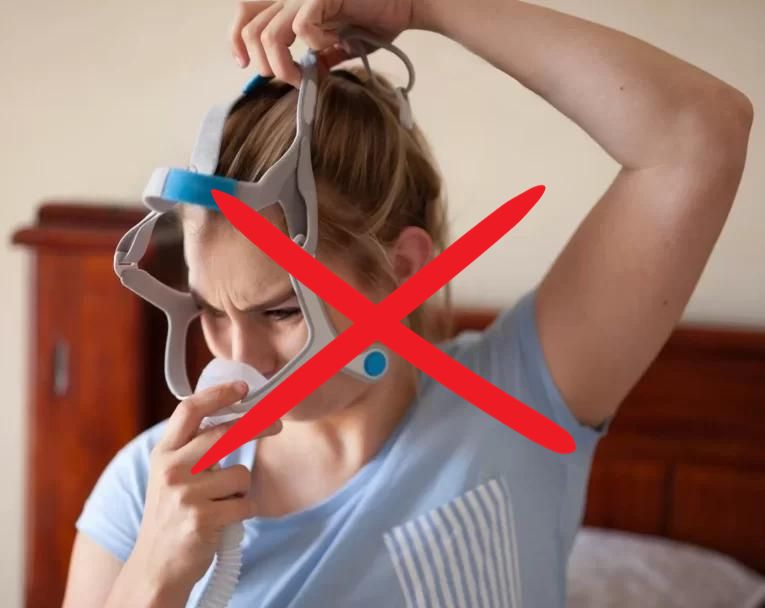
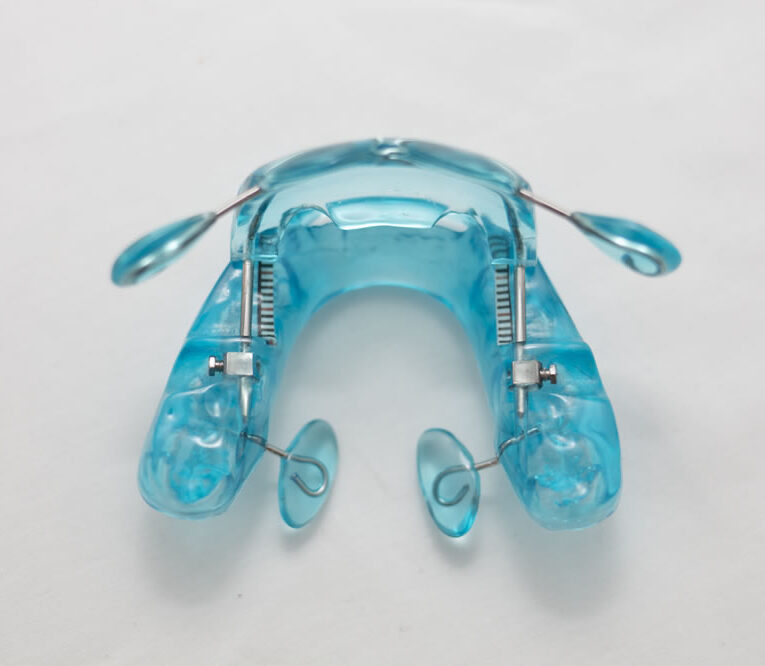
Advantages of using Oral Appliance Therapy (OAT):
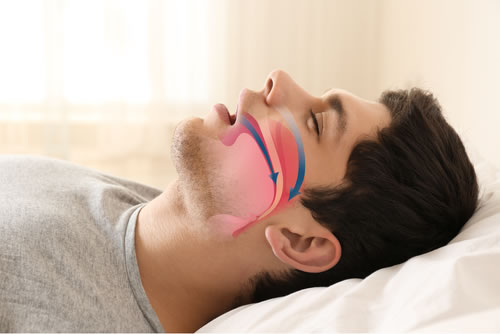
- Effective for Sleep Apnea: OATs are often used to treat mild to moderate obstructive sleep apnea (OSA). They work by repositioning the lower jaw and tongue forward, which helps to keep the airway open during sleep, reducing instances of apnea and improving breathing.
- Improved Sleep Quality: By addressing sleep apnea, OATs can lead to improved sleep quality. Reduced interruptions in breathing mean more restful and rejuvenating sleep.
- Non-Invasive: Unlike some other treatments for sleep apnea, such as continuous positive airway pressure (CPAP) machines, OATs are non-invasive. They don't require masks or tubes, making them more comfortable for many users.
- Low Maintenance: OATs are relatively easy to clean and maintain. Regular cleaning and care can extend the lifespan of the device.
- Portable: OATs are easy to transport and require no electricity or specialized equipment. This makes them ideal for travel.
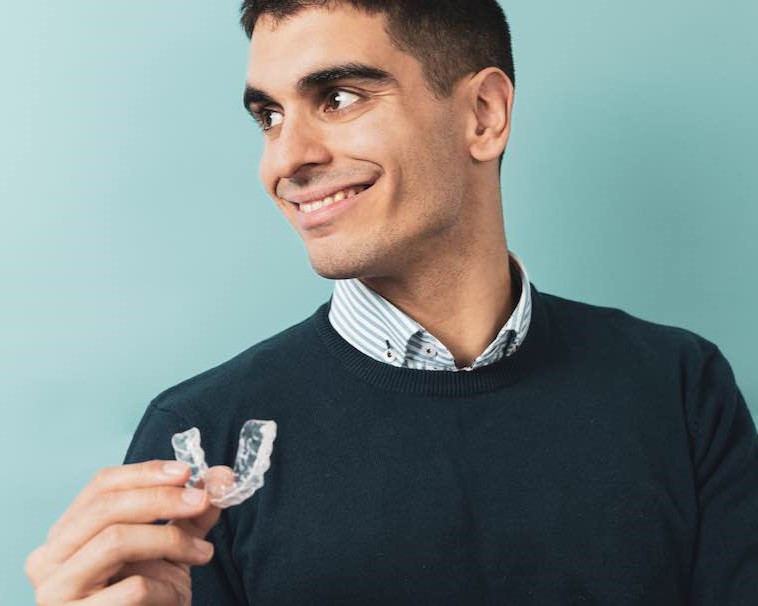
Advantages of using splint therapy for TMJ pain
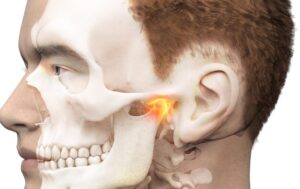
- Pain Relief: Splint therapy can provide effective relief from TMJ pain by properly aligning the jaw and reducing pressure on the temporomandibular joint.
- Minimally Invasive: Splint therapy is a non-surgical approach to managing TMJ pain, making it a conservative treatment option that avoids invasive procedures.
- Personalized Precision Fit: Splints are typically custom-made to fit the patient's bite and jaw alignment precisely, ensuring optimal comfort and effectiveness.
- Muscle Relaxation: By repositioning the jaw, splints help relax the muscles around the jaw, reducing tension and muscle spasms that contribute to TMJ discomfort.
- Reduced Jaw Clenching and Grinding: Splints can help prevent the harmful habits of teeth clenching and grinding (bruxism), which are often associated with TMJ pain. This reduces further damage to the joint and surrounding tissues.